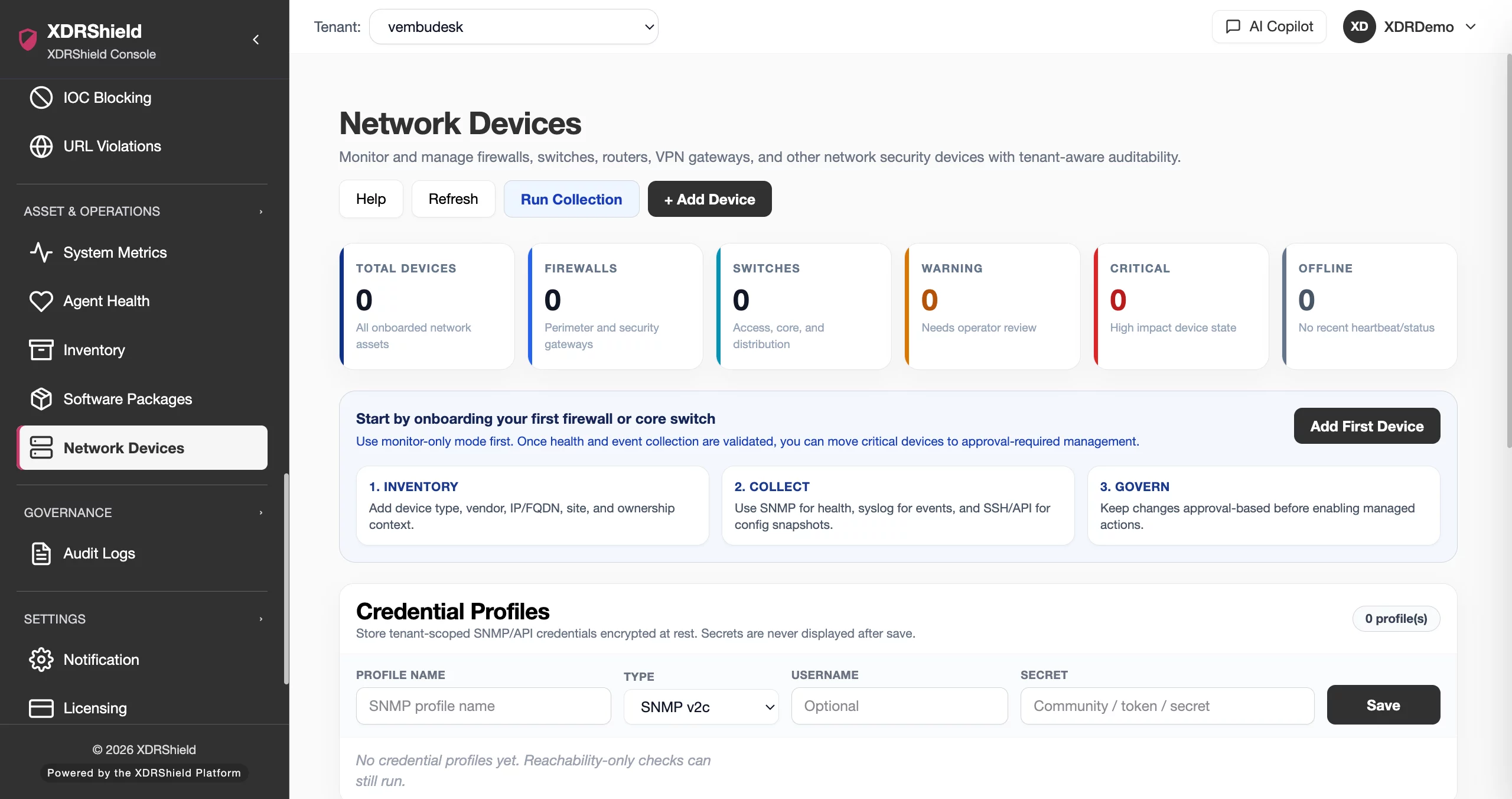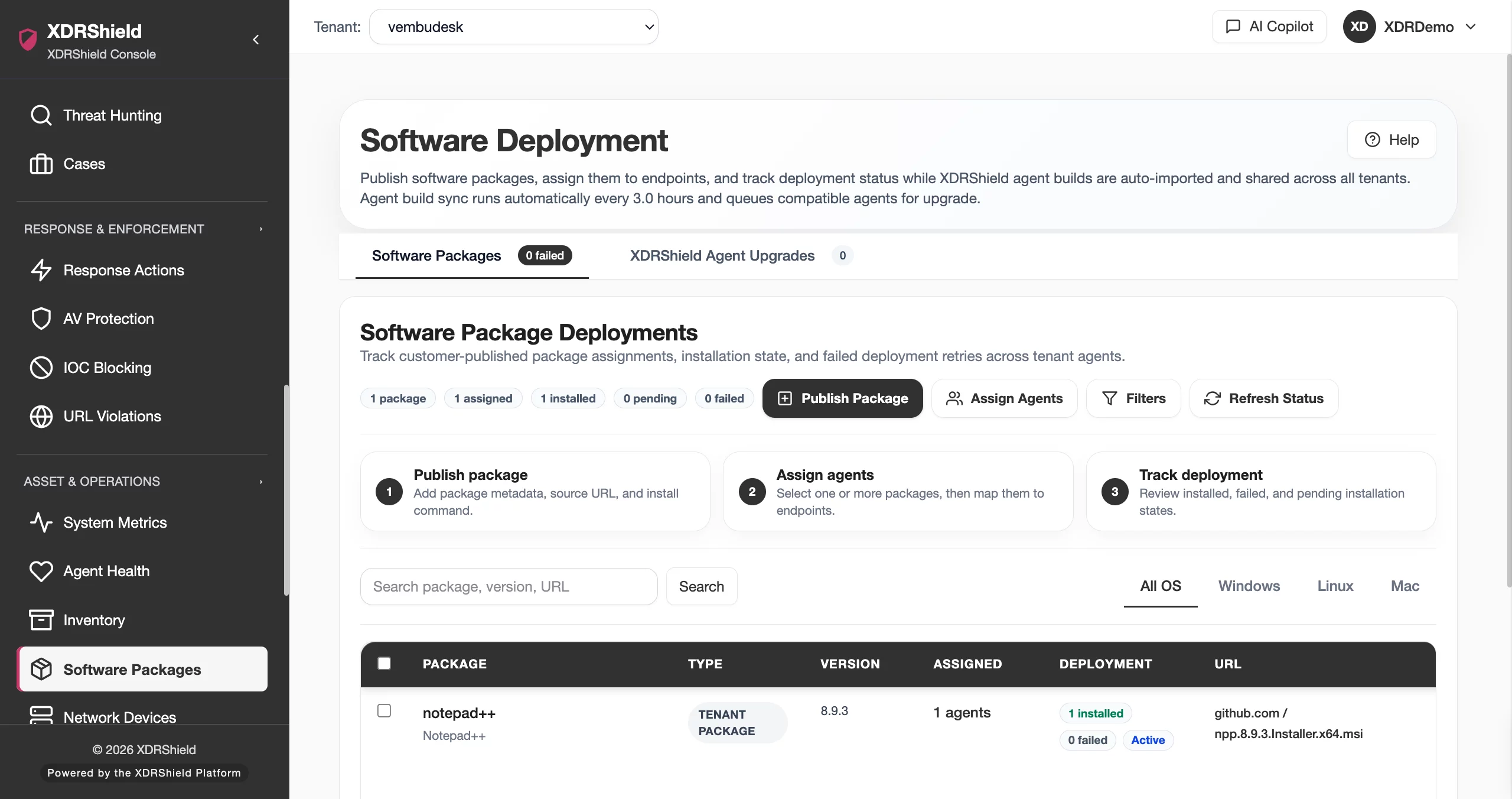
Configure credentials carefully so integrations and protected workflows can operate without exposing secrets.
XDRShield credential configuration helps administrators add, validate, rotate, and govern sensitive connection details used by supported integrations or workflows while keeping tenant scope, ownership, and audit evidence clear.
Credentials connect systems, so credential handling must be deliberate.
Misconfigured credentials can break integrations, hide evidence, or create unnecessary risk. Credential configuration needs a clear workflow: confirm purpose and scope, enter only the required secret material, validate behavior, limit access, and review changes through governance evidence.
Use a governed setup workflow for every credential, not ad hoc secret entry.
Credential configuration should start with a defined integration or workflow need, a known tenant scope, approved ownership, and a validation plan. Administrators should avoid storing secrets in notes or screenshots and should rotate or remove credentials when access changes.
- Confirm the credential purpose, integration, tenant, and owner before setup.
- Enter only required credential fields and avoid placing secrets in documentation or screenshots.
- Validate connection behavior and related workflow evidence after configuration.
- Review access, rotation, and removal responsibilities as part of credential lifecycle governance.
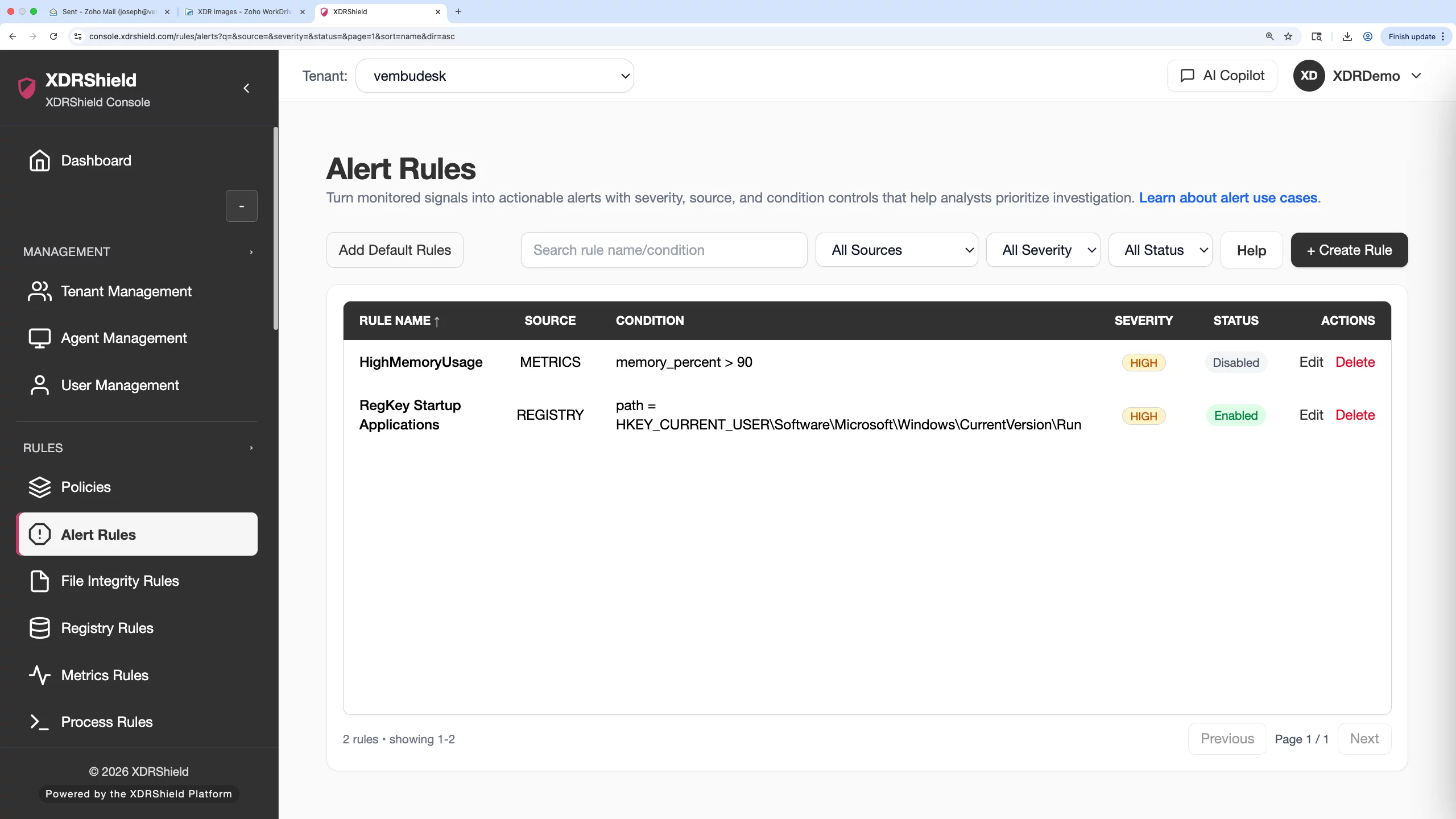
What XDRShield How To Configure Credentials helps teams do.
Each capability supports the operating workflow for how to configure credentials, from configuration and validation to governance, response, and follow-up.
Secret handling discipline
Configure sensitive credentials without exposing values in notes, reports, or screenshots.
Credential setup workflow
Add required fields for supported integrations or workflows using the approved administrative path.
Connection validation
Verify the credential supports the intended integration or workflow after setup.
Tenant-scoped credentials
Keep customer-specific credentials separated by tenant or workspace scope.
Lifecycle evidence
Use activity logs to understand who created, changed, rotated, or removed credentials.
Troubleshooting support
Review failed connection, permission, or stale credential symptoms with operational context.
Rotation planning
Schedule credential review or rotation when access, ownership, or risk changes.
Access-risk response
Escalate suspected credential exposure into investigation and remediation workflows.
From credential request to validated secure use.
A careful workflow reduces outages and prevents secret-handling mistakes.
Confirm purpose and owner
Identify why the credential is needed and who owns its lifecycle.
Validate tenant scope
Ensure the credential belongs to the correct customer, integration, or workspace.
Configure required fields
Enter only the necessary credential material in the approved interface.
Test the workflow
Validate connection, data flow, or integration behavior after setup.
Restrict and document access
Limit who can manage credentials and document non-secret context only.
Rotate or remove when needed
Update credentials after ownership changes, suspected exposure, or lifecycle expiry.
Where credential configuration helps most.
Use this workflow whenever sensitive access details support integrations, protected workflows, or tenant-specific operations.
Integration setup
Connect supported systems without uncontrolled credential handling.
Secret governance
Reduce exposure risk by limiting access and avoiding secret leakage.
Customer-specific credentials
Keep MSP/customer credentials separated by tenant scope.
Connection troubleshooting
Diagnose failed integrations without exposing secret values.
Rotation readiness
Plan credential updates when access or ownership changes.
Audit review
Review credential lifecycle changes without storing secrets in normal notes.
Protect secret values while documenting operational context.
This table separates what teams should record from what must stay protected.
| Area | What it means | How teams use it |
|---|---|---|
| Purpose and owner | Why the credential exists and who manages it. | Document safely for lifecycle governance. |
| Tenant/integration scope | Where the credential applies. | Validate before setup or troubleshooting. |
| Secret value | Password, token, key, or private credential material. | Never store in reports, screenshots, tickets, or normal notes. |
| Validation evidence | Non-secret result showing the workflow works. | Use for operations and audit follow-up. |
How To Configure Credentials for security, IT, and MSP teams.
How To Configure Credentials supports day-to-day operations while keeping tenant scope, evidence, and accountable change control clear.
For security and IT teams
Use this feature to keep administrative control, endpoint policy behavior, and operational evidence aligned with the intended environment.
- Validate tenant and user scope before changes.
- Review related logs, alerts, and settings before broad action.
- Use cases, audits, and operations health for follow-up evidence.
For MSP and service-provider teams
Use tenant-aware administration so customer environments stay separated while configuration patterns remain repeatable.
- Confirm customer or tenant scope before bulk changes.
- Standardize controls without mixing customer data.
- Preserve evidence for customer-facing service reviews.
How To Configure Credentials FAQs.
What does credential configuration mean in XDRShield?
Credential configuration is the governed setup of sensitive connection details used by supported integrations or workflows.
What should be confirmed before adding credentials?
Confirm purpose, tenant scope, integration target, owner, required fields, permissions, and validation method before entering any secret value.
Where should credential values be documented?
Credential values should not be stored in normal notes, reports, screenshots, or public documentation. Only non-secret context should be documented.
How should credentials be validated?
Validate the intended workflow or integration behavior after setup using non-secret evidence such as connection status, successful sync, or operational health context.
When should credentials be rotated or removed?
Rotate or remove credentials when ownership changes, access is no longer needed, a secret may be exposed, or the credential lifecycle policy requires it.
Use a careful setup and validation workflow for sensitive access.
Use XDRShield credential configuration to support integrations and workflows while protecting secrets, tenant scope, and lifecycle evidence.